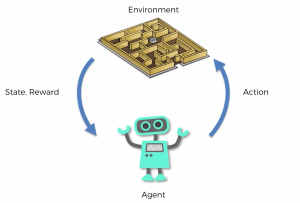
Explore how Self-Learning Enterprise Systems leverage AI, predictive analytics, and autonomous decision-making to transform enterprise operations, enhance efficiency, and drive innovation across industries.

Introduction – The Era of Self-Learning Enterprises
Enterprises in 2025 face the limits of traditional software—static workflows, siloed data, and manual decisions slow growth and hinder innovation. Self-Learning Enterprise Systems (SLES) transform this landscape. Powered by AI and machine learning, SLES continuously evolve, anticipate challenges, optimize processes autonomously, and refine decision-making capabilities.
Outcome: Organizations gain operational agility, predictive foresight, and a strategic edge.
-
Introduction – The Era of Self-Learning Enterprises
-
Core Features of Self-Learning Enterprise Systems
-
Adaptive AI & Machine Learning Models
-
Autonomous Decision-Making
-
Process Optimization & Predictive Analytics
-
Natural Language Processing & Conversational AI
-
Real-Time Insights & Actionable Intelligence
-
-
Technologies Enabling Self-Learning Enterprise Systems
-
AI & ML Frameworks
-
Robotic Process Automation (RPA)
-
Data Lakes & Knowledge Graphs
-
Generative AI & Self-Optimizing Algorithms
-
Cloud & Edge Computing
-
-
Business Benefits of Self-Learning Enterprise Systems
-
Operational Efficiency
-
Enhanced Decision Intelligence
-
Continuous Innovation
-
Risk Mitigation
-
Personalized Experiences
-
-
Real-World Applications Across Industries
-
Finance
-
Healthcare
-
Manufacturing
-
Retail & E-Commerce
-
Enterprise IT
-
-
Challenges and Considerations
-
Data Quality & Integration
-
Explainability & Interpretability
-
Security & Compliance
-
Change Management
-
-
Future Outlook of Self-Learning Enterprise Systems
-
Integration with Generative AI & Large Language Models
-
Autonomous Enterprise Operations
-
Adaptive, Continuous Modernization
-
AI-Driven Enterprise Intelligence
-
-
Conclusion – The Strategic Imperative of Self-Learning Enterprises
In the rapidly evolving landscape of enterprise technology, traditional systems are increasingly proving inadequate. Static workflows, siloed data repositories, and manual decision-making create bottlenecks that hinder operational efficiency, slow down innovation, and compromise responsiveness to market shifts. Enterprises in 2025 face unprecedented pressure to adapt at the speed of digital transformation. As organizations scale globally and business processes become increasingly complex, the limitations of conventional enterprise software become glaringly evident.
Enter Self-Learning Enterprise Systems (SLES) — a paradigm shift in enterprise software, powered by artificial intelligence, machine learning, and advanced analytics. Unlike legacy systems that merely automate predefined tasks, self-learning platforms continuously evolve, learning from operational data, user interactions, and contextual feedback. These systems do not simply respond to commands; they anticipate challenges, optimize processes autonomously, and refine decision-making capabilities over time.
SLES represents more than technological innovation—it embodies a strategic imperative. By enabling enterprises to adapt, predict, and innovate autonomously, these platforms equip organizations with a decisive competitive edge. In 2025, operational agility is no longer optional; it is fundamental. Self-learning systems are not just software—they are intelligent ecosystems capable of reshaping workflows, enhancing productivity, and transforming the very nature of enterprise decision-making.
Core Features of Self-Learning Enterprise Systems
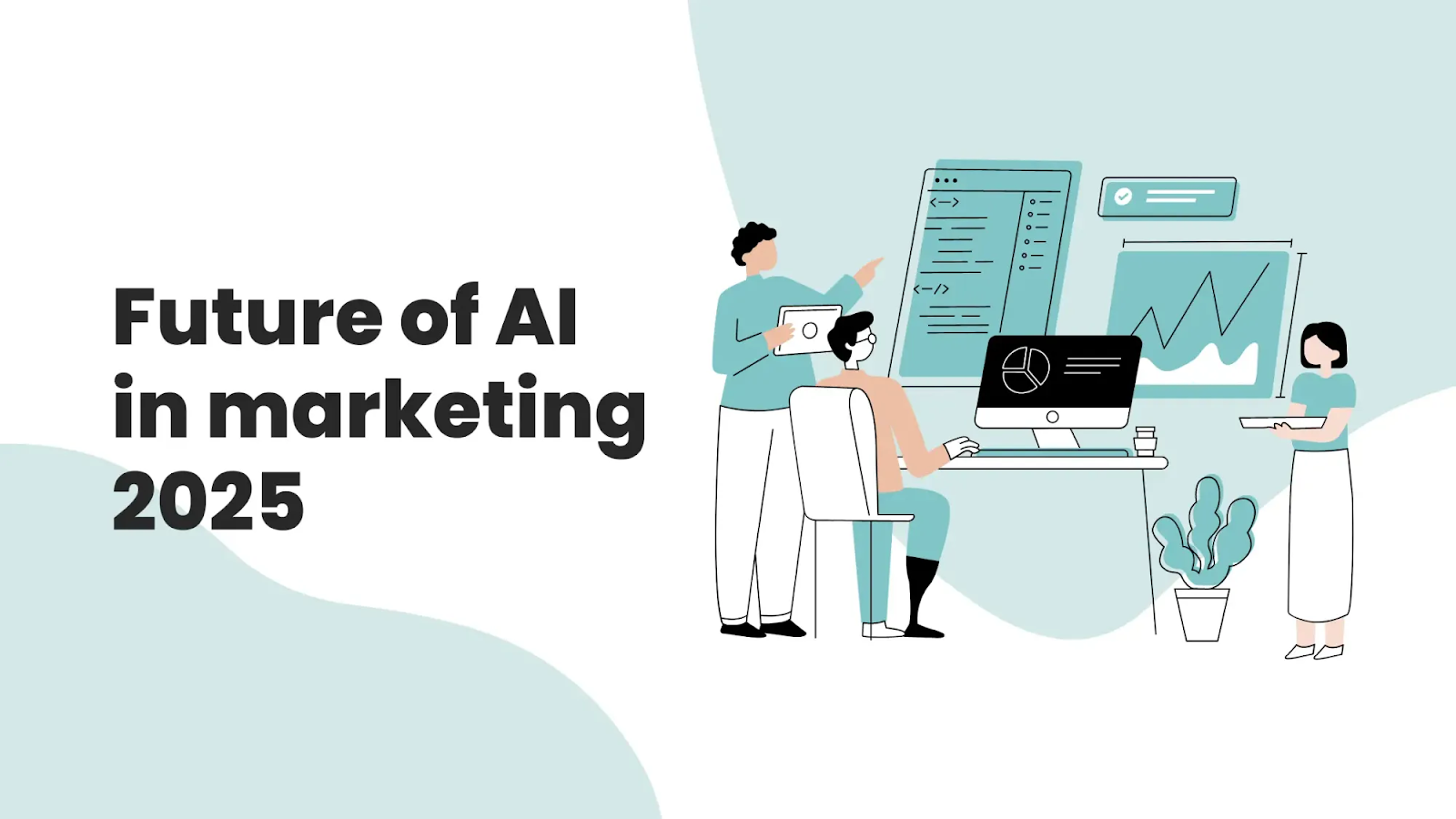
The transformative power of SLES is rooted in several key capabilities that distinguish them from conventional enterprise platforms.
Adaptive AI & Machine Learning Models
At the heart of self-learning systems are adaptive AI and machine learning models. These systems analyze vast datasets generated by enterprise operations, customer interactions, and external market conditions. Through continuous learning, they refine predictive models, identify inefficiencies, and anticipate future trends, enabling proactive strategies rather than reactive responses.
Autonomous Decision-Making
Unlike traditional software that relies on human input for every action, SLES can autonomously make informed decisions. From detecting anomalies in real-time to executing corrective measures, these systems reduce latency in operational response. Autonomous decision-making ensures that critical processes continue uninterrupted, minimizing human error and accelerating enterprise responsiveness.
Process Optimization & Predictive Analytics
Self-learning systems continuously monitor workflows, resource allocation, and key performance indicators (KPIs). By employing predictive analytics, they identify bottlenecks, forecast resource demands, and recommend optimizations. This proactive approach allows enterprises to maximize operational efficiency, reduce downtime, and optimize resource utilization.
Natural Language Processing & Conversational AI
Modern enterprises demand intuitive interaction with complex systems. Leveraging NLP and conversational AI, SLES empowers employees to query systems using natural language, retrieve actionable insights, and execute tasks seamlessly. This accessibility enhances adoption rates and ensures that intelligence is delivered where it is needed most.
Real-Time Insights & Actionable Intelligence
In today’s fast-paced business environment, delayed insights equate to missed opportunities. Self-learning systems provide real-time alerts, predictive forecasts, and automated reporting, allowing enterprises to act decisively and strategically. These actionable insights transform raw data into a tangible business advantage.
Technologies Enabling Self-Learning Enterprise Systems
The sophistication of SLES is made possible by a convergence of advanced technologies.
AI & ML Frameworks
Frameworks such as TensorFlow, PyTorch, and Scikit-learn enable robust predictive modeling, reinforcement learning, and adaptive algorithms that form the foundation of self-learning systems.
Robotic Process Automation (RPA)
RPA tools automate repetitive tasks while learning patterns from operational data. Coupled with AI, RPA enables dynamic workflow automation, continuously improving operational efficiency without manual intervention.
Data Lakes & Knowledge Graphs
Organizing structured and unstructured enterprise data into data lakes and knowledge graphs facilitates semantic understanding and intelligent processing. This infrastructure allows SLES to contextualize information, infer relationships, and provide holistic insights across the organization.
Generative AI & Self-Optimizing Algorithms
Generative AI enhances self-learning systems by auto-generating optimized workflows, system updates, and predictive recommendations. Self-optimizing algorithms continually refine themselves based on operational outcomes, creating an ecosystem that evolves with the enterprise.
Cloud & Edge Computing
Cloud-native architectures and edge computing ensure scalability and low-latency processing, enabling SLES to learn and adapt across distributed environments, from corporate headquarters to remote operational sites.
Business Benefits of Self-Learning Enterprise Systems
The adoption of SLES yields quantifiable business advantages across multiple dimensions:
Operational Efficiency
By automating decision-making and optimizing processes in real-time, enterprises can reduce manual workloads, streamline operations, and allocate resources more effectively.
Enhanced Decision Intelligence
AI-driven insights delivered at the point of need allow executives and teams to make strategic, data-backed decisions faster, with greater confidence.
Continuous Innovation
SLES evolves alongside enterprise growth. By learning from historical data and emergent patterns, these systems enable continuous innovation without requiring frequent human intervention or system redesigns.
Risk Mitigation
Predictive monitoring and anomaly detection help enterprises identify potential errors, inefficiencies, or security breaches before they escalate, safeguarding operational integrity.
Personalized Experiences
Self-learning systems facilitate tailored customer journeys and employee workflows, enhancing engagement and satisfaction while driving measurable outcomes.
Real-World Applications Across Industries
Finance
Self-learning systems transform financial operations with algorithmic trading, fraud detection, and dynamic compliance monitoring. Continuous learning enables these systems to anticipate market fluctuations and optimize portfolio performance.
Healthcare
In healthcare, SLES supports predictive diagnostics, personalized treatment planning, hospital resource management, and patient care optimization, revolutionizing operational efficiency and patient outcomes.
Manufacturing
Manufacturers leverage self-learning systems for predictive maintenance, production line optimization, and intelligent supply chain management, reducing downtime and maximizing throughput.
Retail & E-Commerce
From dynamic inventory management to AI-driven customer recommendations and intelligent logistics, self-learning systems enable retailers to respond instantly to market demand and consumer behavior shifts.
Enterprise IT
IT departments benefit from autonomous IT operations, incident resolution, and system performance optimization, ensuring consistent uptime and seamless digital services.
Challenges and Considerations
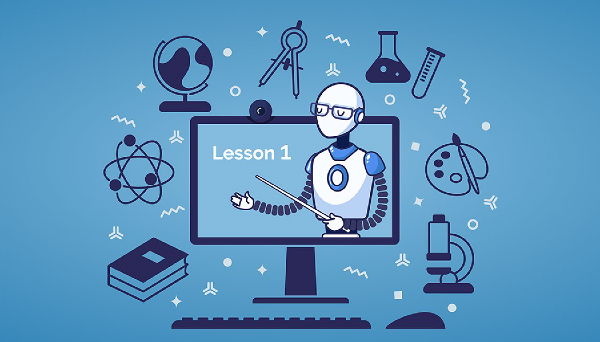
Despite their transformative potential, self-learning enterprise systems require careful planning and management.
Data Quality & Integration
Accurate, comprehensive, and high-quality data is essential. Integrating disparate data sources and ensuring data integrity is critical for continuous learning and reliable outcomes.
Explainability & Interpretability
Decision-making processes of AI-driven systems must be transparent and interpretable for stakeholders to trust recommendations and comply with regulatory requirements.
Security & Compliance
Protecting sensitive enterprise data while adhering to evolving compliance standards remains a top priority, requiring robust encryption, monitoring, and governance protocols.
Change Management
Employee adoption and process adaptation are crucial. Enterprises must invest in training, awareness, and cultural alignment to fully harness SLES capabilities.
Future Outlook of Self-Learning Enterprise Systems
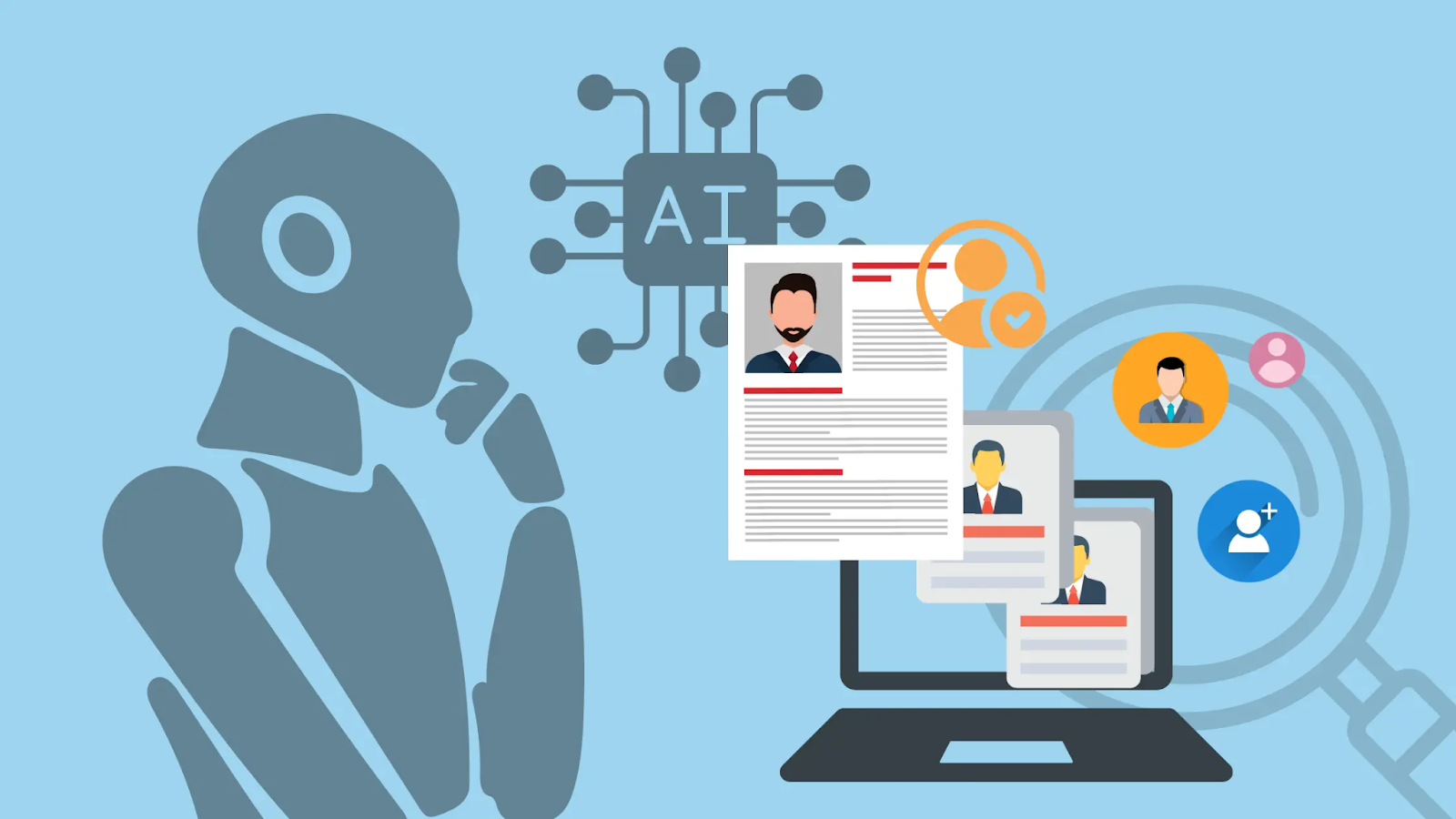
Integration with Generative AI & Large Language Models
Future systems will integrate LLMs and generative AI, enabling autonomous generation of workflows, insights, and actionable intelligence, transforming enterprise operations into continuously adaptive ecosystems.
Autonomous Enterprise Operations
Self-learning systems will minimize human intervention in decision-making, monitoring, and optimization, evolving towards fully autonomous enterprise operations.
Adaptive, Continuous Modernization
SLES platforms will continuously modernize themselves, integrating emerging technologies and adapting to evolving business environments without extensive redevelopment.
AI-Driven Enterprise Intelligence
By embedding decision intelligence at every layer of operations, SLES will transform enterprise software into a strategic asset, providing insights, automations, and optimizations across all business functions.
Conclusion: The Strategic Imperative of Self-Learning Enterprises
Self-learning enterprise systems are no longer a speculative vision—they are the cornerstone of modern enterprise strategy. By leveraging adaptive AI, predictive analytics, autonomous decision-making, and real-time insights, these systems empower businesses to learn, evolve, and act with unprecedented agility. Organizations that embrace SLES in 2025 and beyond will achieve operational efficiency, enhanced decision intelligence, continuous innovation, and superior risk management.
The transformative potential of self-learning systems extends across every industry, from finance and healthcare to manufacturing and retail. These platforms not only optimize current operations but also anticipate future challenges, identify new opportunities, and enable data-driven strategies at scale. With the integration of generative AI and advanced learning algorithms, SLES is poised to redefine the nature of enterprise intelligence, evolving towards autonomous, self-optimizing ecosystems capable of shaping the next generation of business operations.
Ultimately, enterprises that invest in self-learning systems today position themselves for sustainable competitive advantage, agile growth, and future-ready digital transformation. In a world where speed, precision, and adaptability define success, self-learning enterprise systems are not merely software—they are intelligent partners in innovation, decision-making, and operational excellence.