Explore essential API-First SaaS Systems strategies to build scalable, flexible, and high-performing applications. Learn benefits, implementation methods, and best practices.
-
Introduction to API-First SaaS Systems
1.1 What Does API-First Mean?
1.2 Rise of API-First Approach in SaaS -
Key Benefits of API-First SaaS Systems
2.1 Scalability and Flexibility
2.2 Faster Time-to-Market
2.3 Improved Integration and Interoperability
2.4 Enhanced Developer Experience -
Core Principles of API-First Design
3.1 Design Before Development
3.2 Consistent API Standards
3.3 Versioning and Backward Compatibility
3.4 Documentation and Testing -
Strategies for Implementing API-First SaaS Systems
4.1 Choosing the Right API Protocol
4.2 Microservices and Modular Architecture
4.3 Automated Testing and CI/CD Integration
4.4 Monitoring, Analytics, and API Governance -
Challenges and Best Practices
5.1 Common Pitfalls
5.2 Security Considerations
5.3 Managing Dependencies and Versioning -
Real-World Examples of API-First SaaS Success
6.1 Case Study 1: E-Commerce SaaS Platform
6.2 Case Study 2: Enterprise SaaS Solutions
6.3 Lessons Learned -
Conclusion
7.1 Future of API-First SaaS Systems
7.2 Final Recommendations
Introduction to API-First SaaS Systems
API-First SaaS Systems have become essential in modern software development, enabling companies to deliver scalable, flexible, and integrable applications. Unlike traditional development approaches where APIs are added after building the core product, API-first strategies prioritize designing the API first. This ensures consistency, modularity, and long-term maintainability.
What Does API-First Mean?
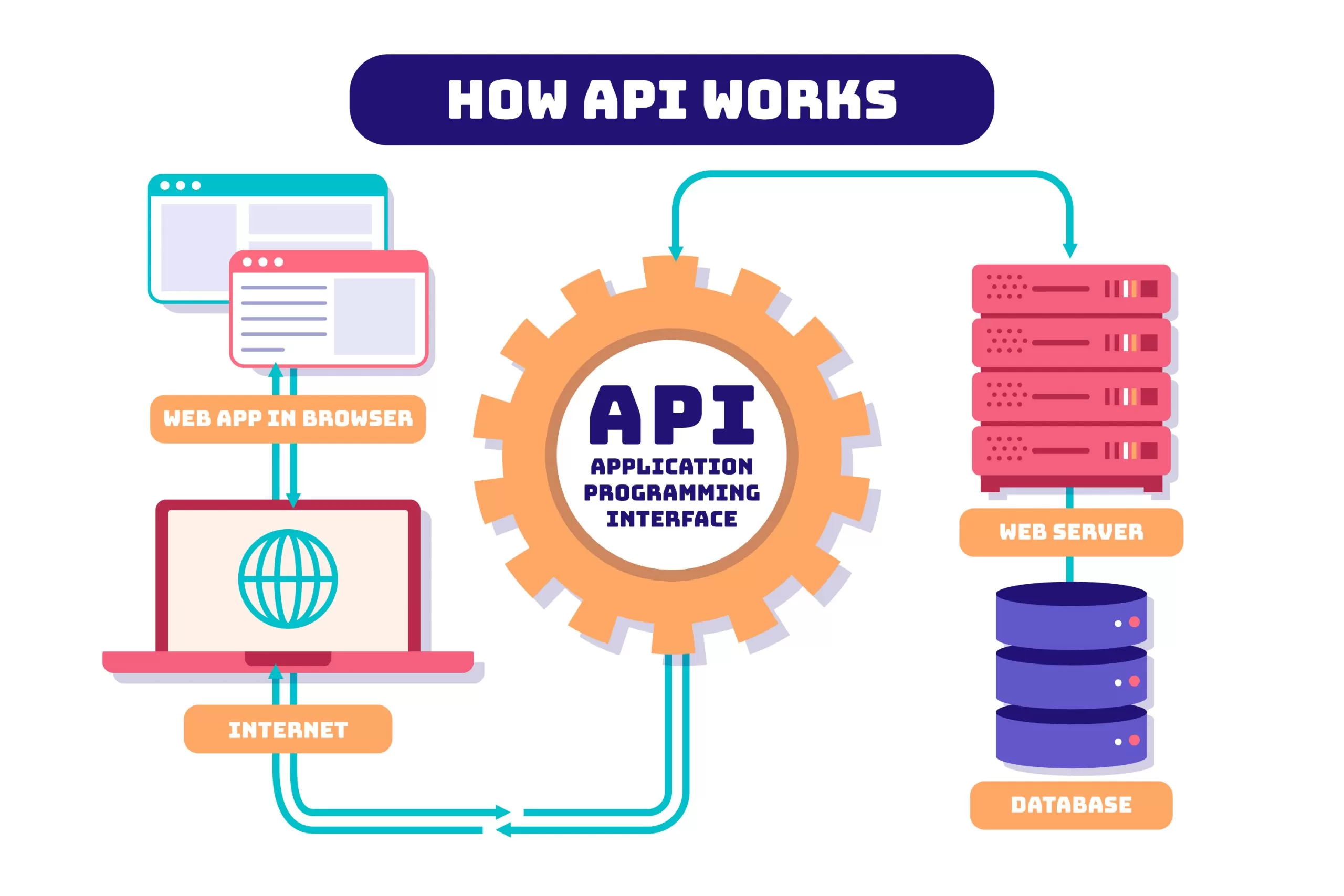
An API-first approach focuses on creating APIs as the primary interface for all application functionalities. Every feature, module, or workflow is accessible via the API, ensuring developers can build multiple applications or services from a unified foundation.
Rise of API-First Approach in SaaS
API-first adoption has accelerated due to:
-
Growing need for interconnected ecosystems
-
Multi-channel user experiences across web, mobile, and IoT
-
Developer demand for reliable and consistent APIs
Successful platforms like Stripe, Twilio, and slack demonstrate the power of API-first SaaS Systems in accelerating integration and innovation.
Key Benefits of API-First SaaS Systems
Scalability and Flexibility
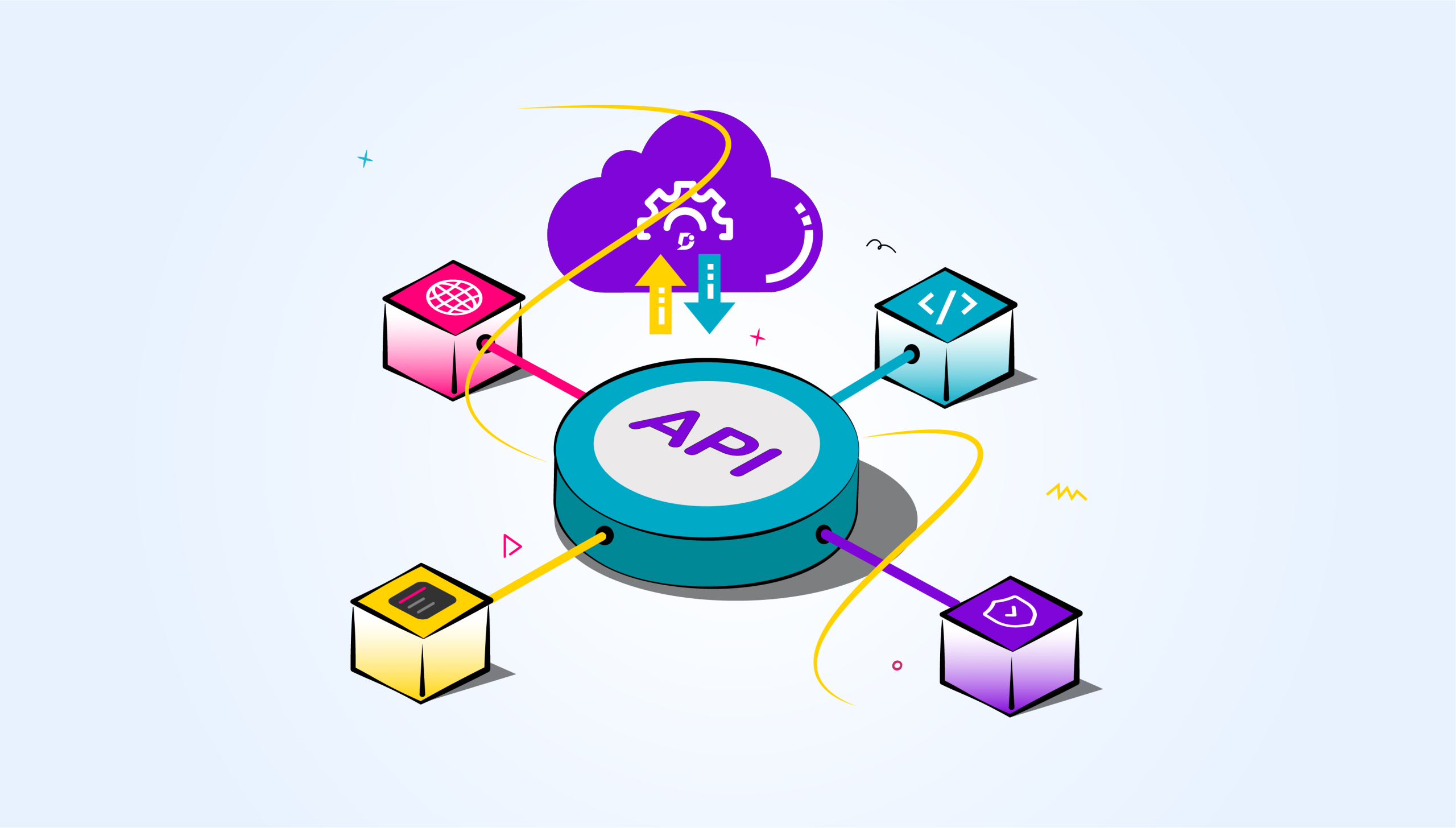
APIs act as modular building blocks. This allows organizations to scale services independently, deploy new applications without rearchitecting the system, and handle increasing workloads efficiently.
Faster Time-to-Market
API-first development enables parallel workflows. Teams can work on separate modules simultaneously using the API contract as the interface. This reduces dependencies, accelerates development, and brings features to market faster.
Improved Integration and Interoperability
API-first systems are inherently integration-ready, allowing seamless connections with third-party apps, partner systems, and internal tools, improving business agility and responsiveness.
Enhanced Developer Experience
Clear, well-documented APIs enhance productivity, reduce onboarding time, and minimize errors. A strong API-first culture ensures developers can innovate and maintain consistency across applications.
Core Principles of API-First Design
Design Before Development
The API contract is designed before coding begins. Tools like OpenAPI/Swagger allow teams to collaboratively define endpoints, responses, and workflows, ensuring all stakeholders align from the start.
Consistent API Standards
Uniform naming conventions, authentication methods, error handling, and response structures make APIs predictable and easy to consume, improving reliability.
Versioning and Backward Compatibility
Versioning ensures existing integrations are not disrupted when new features are added. Semantic versioning (v1, v2, etc.) allows controlled changes while maintaining backward compatibility.
Documentation and Testing
Comprehensive documentation and automated tests improve reliability, reduce bugs, and enhance security. Testing APIs early ensures that all modules meet functional and performance standards.
Strategies for Implementing API-First SaaS Systems
Choosing the Right API Protocol
Selecting REST, GraphQL, or gRPC depends on data complexity, performance needs, and client requirements. Proper protocol choice improves response times and developer efficiency.
Microservices and Modular Architecture
Pairing API-first with microservices allows independent scaling and deployment. Modular architecture ensures updates or failures in one service don’t affect others, maintaining stability.
Automated Testing and CI/CD Integration
Integrating testing into CI/CD pipelines ensures reliable deployments, reduces downtime, and accelerates development. Tools like Postman, Jest, and Cypress support automated API testing.
Monitoring, Analytics, and API Governance
Continuous monitoring of API performance, usage, and errors ensures proactive maintenance. Governance policies enforce consistency, security, and standards across teams.
Challenges and Best Practices
Common Pitfalls
-
Skipping API documentation
-
Inconsistent naming and authentication methods
-
Ignoring backward compatibility
Security Considerations
Secure APIs using OAuth 2.0, JWT, rate limiting, and input validation to prevent unauthorized access and safeguard data.
Managing Dependencies and Versioning
Regularly review dependencies, plan version updates, and maintain clear communication to minimize integration risks.
Future Trends in API-First SaaS Systems
API-First in AI-Driven Applications
APIs are central to AI/ML workflows, enabling seamless integration of models into SaaS applications for predictive analytics and intelligent automation.
Serverless Architecture Integration
Serverless platforms (AWS Lambda, Azure Functions) complement API-first systems by allowing developers to deploy microservices without managing servers, improving scalability and reducing costs.
Low-Code/No-Code Platforms and APIs
APIs empower low-code/no-code platforms, allowing business users to build workflows while developers maintain control of backend logic. API-first ensures modularity and consistency across all layers.
Real-World Examples of API-First SaaS Success
Case Study 1: E-Commerce SaaS Platform
An online retailer implemented API-first architecture, enabling web, mobile, and partner integrations to function seamlessly. Integration time dropped by 40%, and peak event performance improved significantly.
Case Study 2: Enterprise SaaS Solutions
A B2B SaaS provider used microservices and API-first design to allow clients to integrate custom workflows. This increased adoption rates, reduced development overhead, and enhanced client satisfaction.
Lessons Learned
-
Plan API contracts carefully
-
Maintain consistent documentation and standards
-
Implement monitoring and testing early
-
Integrating AI with API-First SaaS Systems is revolutionizing the way modern software applications operate, offering unprecedented levels of automation, intelligence, and scalability. By exposing AI models and services through well-designed APIs, organizations can embed advanced functionalities such as predictive analytics, natural language processing (NLP), computer vision, and machine learning directly into their SaaS platforms. This integration ensures that AI capabilities are modular, reusable, and accessible across multiple applications, devices, and workflows, creating a cohesive ecosystem that enhances both user experience and operational efficiency.
One of the primary benefits of combining AI with an API-first approach is modularity and flexibility. API-first design separates the backend AI logic from the frontend application, allowing developers to independently update, replace, or scale AI components without affecting other parts of the system. This modularity accelerates innovation by enabling teams to test and deploy new AI algorithms rapidly, integrate third-party AI services, or refine machine learning models without downtime or disruption to the user experience. For example, an e-commerce SaaS platform can integrate an AI-powered recommendation engine via API, which can later be replaced with a more advanced algorithm without altering the core application or requiring extensive redevelopment.
Moreover, scalability is significantly enhanced when AI functionalities are exposed through APIs. Traditional monolithic AI implementations often struggle to manage increasing workloads, as every new feature or user demand can strain the system. API-first design allows businesses to scale individual AI services independently, ensuring consistent performance even during peak traffic periods. Cloud-based AI APIs further complement this approach, enabling auto-scaling of resources to meet real-time demand, thus ensuring that applications remain responsive and reliable.
Another critical advantage is cross-platform accessibility and interoperability. API-first AI services can be consumed by multiple applications, devices, and interfaces simultaneously, whether it is a mobile app, web platform, or IoT device. This ensures that AI-driven insights, such as predictive analytics, real-time language translation, or image recognition, are universally available across the organization’s technology ecosystem. For enterprise SaaS providers, this capability is particularly valuable as it allows different departments or partner organizations to leverage the same AI services without redundant development efforts, fostering collaboration and operational efficiency.
Enhanced developer experience and efficiency is another compelling benefit. Developers working with API-first AI systems can access pre-built, standardized endpoints with clear documentation, reducing onboarding time and minimizing errors. Automated testing pipelines can be established for AI APIs, allowing teams to validate model outputs, monitor performance, and ensure compliance with business rules. Continuous integration and deployment (CI/CD) workflows can incorporate AI model updates, ensuring that improvements in accuracy or functionality are delivered seamlessly to end-users without manual intervention.
From a business perspective, integrating AI with API-first SaaS Systems unlocks data-driven decision-making and personalization at scale. By providing intelligent APIs, SaaS platforms can analyze user behavior, predict trends, and tailor recommendations or workflows in real-time. For instance, a SaaS-based CRM can use AI APIs to prioritize leads, recommend next best actions, or automate customer support responses, thereby increasing conversion rates and improving customer satisfaction. Additionally, companies can monetize AI capabilities as standalone services, offering APIs to external partners or developers, creating new revenue streams and fostering ecosystem growth.
Security and governance are also simplified in an API-first AI architecture. Since AI services are encapsulated behind standardized APIs, authentication, encryption, and access controls can be consistently applied, reducing the risk of data breaches or unauthorized use. Organizations can implement role-based access, rate limiting, and logging at the API level, ensuring compliance with regulatory standards such as GDPR or HIPAA.
Finally, future-proofing applications is a significant advantage. As AI technologies evolve, API-first SaaS Systems allow businesses to integrate emerging AI capabilities, such as generative AI, real-time sentiment analysis, or advanced computer vision models, without overhauling the existing architecture. This ensures that SaaS platforms remain competitive, agile, and capable of meeting the evolving demands of users and industries.
Conclusion
API-First SaaS Systems are a modern standard for building scalable, flexible, and maintainable software. By focusing on APIs first, organizations enable rapid innovation, seamless integrations, and robust system architecture.
At HexaMileSoft, we help businesses design API-first SaaS systems that scale efficiently, integrate seamlessly, and drive long-term growth. Adopting an API-first approach ensures your software ecosystem is future-ready, reliable, and high-performing.